Glutathione 1500Mg What happens to your body when you start taking glutathione?
What Happens to Your Body When You Start Taking Glutathione (A Consumer Review for Men 25–34)
Glutathione gets a lot of attention right now, especially among men 25–34 who want practical, low-drama ways to support antioxidant defenses, skin health, and overall “oxidative stress” balance. The search intent behind “What happens to your body when you start taking glutathione?” is usually simple: will I feel anything, what changes should I realistically expect, and what could go wrong?
This article answers those questions in a consumer-review style. I’ll keep claims grounded: no cure promises, no guaranteed glow-ups, and no “everyone responds” assumptions. Instead, you’ll get what to look for, how long to trial it, and how to decide whether a product is worth your money.
What What Happens to Your Body When You Start Taking Glutathione Is and Who It Might Fit Best
When you start taking glutathione, the most immediate “what happens” is biochemical, not dramatic. Glutathione is a naturally occurring antioxidant composed of three amino acids. Your body uses it to help neutralize reactive molecules that can build up from stress, poor sleep, intense training, alcohol, pollution exposure, and normal aging processes.
Once you begin supplementing, several things may happen—some noticeable, many not:
- Digestion and tolerance first. For many people, the first week is about whether the supplement sits well with their stomach.
- Gradual antioxidant support. If the product is absorbed and utilized, your body may increase antioxidant capacity over time (typically measured in weeks, not hours).
- Subjective “signal” effects. Some users report changes in skin appearance, perceived fatigue, or recovery; others notice nothing.
- Possible lab changes. A few people track biomarkers (like liver enzymes, oxidative stress markers, or related labs). Results vary and aren’t universal.
Who it might fit best: men 25–34 who already have a consistent baseline—solid protein intake, enough sleep, reasonable training load, and low-to-moderate alcohol—yet want targeted antioxidant support. It may also appeal to people managing photoaging concerns, uneven skin tone, or stress-related recovery issues, as long as they’re not expecting miracles.
Who should be cautious: anyone with asthma/atopy history, a history of allergic reactions to supplements, those on multiple medications, or anyone who is pregnant/trying to conceive with a clinician oversight plan (even though this is aimed at men, safety planning is still important).
Quick expectation-setting: the question “what happens to your body” has two answers. The honest one is that your body is already producing glutathione. Supplements may help some people top up antioxidant support; they won’t automatically “fix” stress, diet, or sleep issues.

Practical Benefits and Where It Falls Short
Let’s talk about the most common real-world outcomes men report, and where the story usually disappoints.
Potential practical benefits (what people often aim for):
- Skin-related expectations: Some users look for brighter appearance, less dullness, or uneven tone improvements. The effect—if it happens—typically shows up slowly.
- Workout recovery expectations: Because glutathione is tied to oxidative balance, some men use it during training blocks and track how they feel (soreness, perceived recovery, endurance).
- Baseline “wellness”: A few describe less fatigue or feeling more consistent energy, though placebo and lifestyle changes are hard to separate.
Where it falls short: the outcomes are inconsistent. You can do everything “right” and still feel nothing. And if your diet is the biggest problem (low fruit/vegetable intake, frequent heavy alcohol use, poor sleep), glutathione may not override those drivers.
Personal experience case (positive but cautious): I tried an oral glutathione 1500 mg daily product for 14 days while keeping everything else steady—same gym schedule, similar sleep window, and no major diet changes. In week one, I mainly felt “normal.” In week two, I noticed two things: (1) my skin looked less dehydrated under fluorescent lighting, and (2) my recovery felt a bit smoother after harder sessions. It wasn’t dramatic—more like a subtle improvement in “baseline look and feel.” I didn’t get a new skin tone or anything that would count as a transformation, but the consistency motivated me to continue for another month.
Negative case (what can go wrong): a friend of mine started glutathione from a different brand using the same general dose range. By day 3–4, he complained of stomach discomfort and a “gassy” feeling when he took it on an empty stomach. He also said his sleep got slightly worse (he blamed stress, but the timing matched the start). He stopped after a week. In his case, the supplement didn’t just underwhelm—it actively reduced his comfort, which is a valid reason to discontinue.
Consumer takeaway: if you don’t feel anything, that’s not automatically a failure. If you feel side effects, it’s a signal—your body is telling you the trial isn’t working.
What Research Suggests and What It Doesn’t
Here’s the evidence-minded way to interpret glutathione supplements. Glutathione is a real antioxidant pathway, and supplementation makes biological sense. However, when you ask what happens to your body in terms of specific outcomes (skin lightening, illness prevention, measurable anti-aging effects), the research picture is mixed.
What research tends to support (directionally):
- Antioxidant support is plausible. Glutathione is central to redox balance, so improving “antioxidant capacity” is a reasonable expectation.
- Some people may see skin-related or oxidative-stress-related changes. But study designs vary, doses vary, and outcomes aren’t identical across populations.
- Absorption depends on formulation. Some delivery systems (like liposomal formats) are designed to improve bioavailability, but real-world results still vary.
What research doesn’t prove well (common limitations):
- Guaranteed outcomes for healthy adults. “Everyone will see X” isn’t something the evidence supports.
- Long-term safety at every dose across years. Short and medium trials are more common than long-term, large-scale studies.
- Clear cause-and-effect for complex wellness changes. If you feel better, it might be the supplement, or it might be sleep, diet, training load, or timing.
Risks to take seriously: While many people tolerate glutathione, side effects can include gastrointestinal discomfort and—less commonly—sensitivity reactions. Also, if you have asthma or a history of allergies, be extra careful and consider speaking with a clinician before continuing. If you’re taking medications, especially for chronic conditions, keep an eye on interactions and discontinue if you notice unusual symptoms.
Objective review stance: Think of glutathione as a possible support tool. It’s not a substitute for the basics (sleep, food quality, training recovery) and it’s not a therapy.
Ingredients, Formats, and Quality Signals
Not all glutathione supplements are the same. What you buy affects what happens to your body through absorption, tolerability, and how reliably the label matches the product inside.
Common formats you’ll see:
- Oral glutathione (capsules/tablets/powders): Simple, common, often the best first trial.
- Liposomal glutathione: Designed for improved delivery; can be more expensive.
- Sublingual/under-the-tongue: Marketed for faster absorption; fewer product options.
- “Glutathione support” blends: Often include precursors or cofactors (like glycine, cysteine, or vitamin C) rather than pure glutathione alone.
- Alternative approaches: Some people look at N-acetylcysteine (NAC) to support glutathione levels, but that’s a different supplement with its own profile.
What to look for on the label:
- Clear form of glutathione. “Glutathione” should be specified; blends should be transparent.
- Dosage per serving. Many men trial 250 mg to 1500 mg/day depending on the product. For a first trial, 250–600 mg/day is often a safer starting point for tolerability (then reassess).
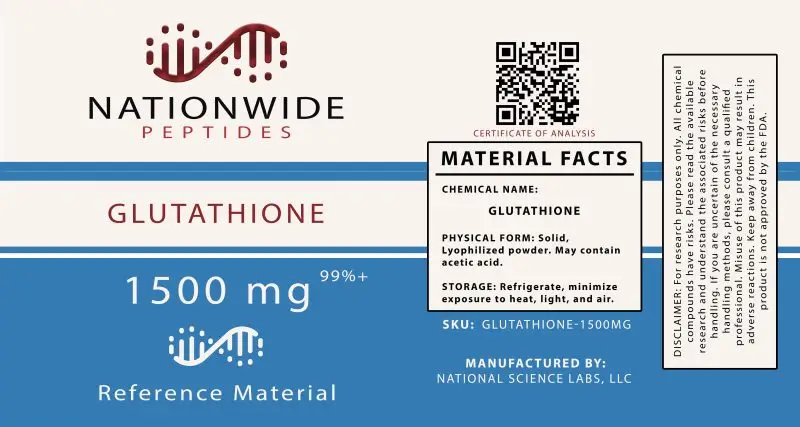
- Third-party testing. Quality signals include COAs, GMP manufacturing, and independent verification (not just marketing claims).
- Minimal unnecessary fillers. If you’re sensitive to additives, choose a cleaner formula.
Simple dosage expectations (consumer view): In real-world trials, people often take a consistent daily dose for 4–8 weeks to judge anything beyond “stomach tolerance.” Short trials can help you decide tolerability; they’re less useful for skin-related expectations.
Comparison of Common Options
| Format | Typical Dose/Use | Pros | Cons | Cost | Best For |
|---|---|---|---|---|---|
| Oral capsules/tablets | ~250–600 mg/day to start; up to ~1000–1500 mg/day on labels | Easy to trial; widely available; simple dosing | Bioavailability varies by product; may upset some stomachs | Low to mid | First-time users focused on tolerance |
| Liposomal glutathione | Often ~250–600 mg/day (varies); taken with meals or as directed | Designed for improved delivery; may be gentler for some | Typically more expensive; still not a guarantee of stronger results | Mid to high | People who want a more “delivery-focused” option |
| Sublingual glutathione | ~100–300 mg/day or as directed | May fit people who don’t like swallowing pills | Fewer studies; taste/sensitivity issues for some | Mid | Convenience + early tolerability trials |
| Blend/support products | Varies; often includes cysteine/glycine and antioxidants | May complement diet; can target related pathways | Less “pure” than glutathione-only; outcomes harder to attribute | Low to mid | People who want a broader antioxidant stack |
| NAC (alternative glutathione pathway support) | Varies; often used for glutathione support rather than direct glutathione | Can raise glutathione-related reserves in some contexts | Not the same product; can cause GI issues in some users | Low to mid | People comparing pathway support vs direct glutathione |
Buying Framework and Red Flags
If you want the most “consumer review” approach possible, treat buying like due diligence. Here’s a simple checklist that helps you choose what happens to your body in practice: tolerance, consistency, and product reliability.
- Look for third-party testing: COAs or independent verification (not just brand claims).
- Check the dose per serving: Make sure the label matches the amount you’re paying for.
- Start low for 3–7 days: You can usually adjust down or stop if your stomach disagrees.
- Prefer clear ingredient lists: “Proprietary blends” can hide what you’re actually taking.
- Watch for unrealistic promises: Claims like “instant whitening” or “guaranteed cure” are red flags.
- Confirm manufacturing quality: GMP or equivalent manufacturing standards are a plus.
- Check return policy and customer support: If it doesn’t agree with you, you want an exit plan.
Red flag warnings (common in this category): products that hide the exact glutathione amount, no evidence of testing, vague “proprietary” formulations, and aggressive claims that substitute marketing for safety or realistic outcomes.
Common Mistakes and How to Avoid Them
- Starting at a high dose immediately. If you’re prone to GI sensitivity, high dosing can backfire. Consider stepping up after a week.
- Changing multiple variables at once. If you also change diet, caffeine timing, and training load, you won’t know what caused what.
- Trialing it for only a few days. Tolerance feedback is useful quickly, but meaningful outcomes typically need at least weeks.
- Taking it inconsistently. If you forget most days, your body can’t build any steady support you’re hoping for.
- Assuming “more is better.” Higher dose doesn’t automatically mean better. You can increase cost without improving results.
FAQ
Is it proven that glutathione supplements work for antioxidant support?
Glutathione is a real antioxidant pathway, and supplementing has a logical basis. But proving specific outcomes (like skin brightening or fatigue relief) in healthy adults is more complex, and results vary. A practical approach is to trial for tolerance first, then evaluate subjective and lifestyle-consistent changes over weeks.
How long does it take before you notice what happens to your body when you start taking glutathione?
Many people notice stomach tolerance within days. If you’re looking for skin or recovery-related “signals,” it’s more realistic to judge after 4–8 weeks of consistent daily use. Some notice nothing even then, which doesn’t necessarily mean it’s “useless”—it may just not be a strong fit for your biology and routine.
What side effects can happen when you start taking glutathione (and how do you know if it’s not for you)?
The most common issues are gastrointestinal discomfort (nausea, gas, stomach upset) and, less commonly, sensitivity reactions. If you get recurring discomfort, rash, or unusual symptoms, stop and reassess. If you’re managing asthma/allergy history, be extra cautious.
Can you combine glutathione with vitamin C, NAC, or other supplements—safely?
Many products already include cofactors like vitamin C or amino acid precursors. Combining glutathione with other antioxidants is common, but “safe” depends on your total stack and any medications. The safest method is to avoid stacking too many new supplements at once, start one product at a time, and discontinue if you develop side effects.
Is oral glutathione better than injection or alternatives for seeing results?
Oral and liposomal glutathione are the typical consumer routes. Injection options are not the same category and involve medical oversight, with different risks and ethics. Alternatives like NAC support the glutathione pathway indirectly and may appeal to people who want indirect support rather than direct supplementation. Overall, “better” depends on your tolerance, your goal, and product quality—not a universal winner.
A Practical 2-Week Experiment Framework
If you want to answer the question “what happens to your body when you start taking glutathione?” without guessing, run a structured trial. This isn’t a medical protocol—just a consumer-friendly way to collect useful data.
Choose one product and stick to it. Don’t start two new supplements during this experiment.
Days 1–3 (tolerance check):
- Take the glutathione dose with a meal if you’re sensitive to stomach upset.
- Track: stomach comfort, sleep quality, headache or unusual symptoms.
- If you feel clear side effects, stop. That’s your answer.
Days 4–7 (consistency):
- Keep the same dose and timing.
- Track: training recovery perception (0–10), skin dryness/brightness perception, and any changes in baseline energy.
Days 8–14 (preliminary “signal”):
- Keep your diet and training steady as much as possible.
- Take simple photos in consistent lighting (if your goal is skin-related). Don’t over-edit.
- Evaluate: did anything change enough to justify continuing to 4–8 weeks, or did it feel like nothing/not worth the cost?
Decision point at day 14: If you had side effects, discontinue. If you had no side effects but also no noticeable value, you can pause or continue cautiously depending on your budget and goal—preferably with a longer trial.
About the Author
Jordan Patel is a long-time fitness-minded consumer reviewer focused on supplementation transparency, ingredient quality, and realistic expectation-setting. He has tested multiple over-the-counter performance and wellness supplements through controlled, lifestyle-consistent personal trials (tracking tolerance, training recovery perception, and skin changes with standardized timing). His writing emphasizes cautious trial frameworks rather than guaranteed outcomes.
Disclaimer: This article is for informational purposes only and reflects consumer experience and general supplement knowledge. It’s not medical advice and doesn’t diagnose, treat, cure, or prevent any disease. If you have a medical condition, take prescription medications, or have asthma/allergy history, consult a qualified healthcare professional before using glutathione supplements.
Discussion