Nad Vs Glutathione Can NAD make you look younger?
Can NAD Make You Look Younger? A Cautious Consumer Review for Men 25–34
TL;DR: Can NAD make you look younger? It can be part of a “look less tired” routine for some men, but visible aging changes are not guaranteed. In my experience, it’s more likely to affect how you feel and recover than to act like a direct skincare treatment—especially if the product quality and dosing are inconsistent.
Men 25–34 are often the first age group where subtle changes start to show up: under-eye darkness that lingers, skin that feels a bit drier, and recovery that doesn’t bounce back as fast after work stress or training. Meanwhile, NAD is getting attention because it’s tied to cellular energy and longevity research. Search intent is usually simple: people want a realistic, “consumer review” answer on whether NAD can actually translate into a younger-looking appearance, and whether it’s worth the effort and cost.
What NAD Is and Who It Might Fit Best
NAD stands for nicotinamide adenine dinucleotide, a molecule your body uses in energy metabolism and cellular repair processes. Your NAD levels naturally change with age, which is one reason supplement brands connect NAD support to anti-aging goals.
In practice, most people asking “Can NAD make you look younger?” are really asking: will NAD support help me look more refreshed—less dullness, less fatigue in the face, and possibly improved skin-related signals?
Who it might fit best:
- Busy men with “tired face” patterns: stress, late nights, inconsistent sleep, and training recovery issues.
- Men already investing in basics: sunscreen, moisturizer, protein + resistance training, and consistent sleep—so NAD support has something meaningful to build on.
- Men looking for supportive bioenergetic effects: improved workout readiness, less “heavy” fatigue, and more consistent daily energy.
Who should be more cautious:
- People with medical conditions or on medications (especially those affecting metabolism, neurotransmitters, or blood clotting—always verify with a clinician).
- Anyone sensitive to stimulants or prone to headaches or insomnia, since some NAD-adjacent ingredients can feel “activating.”
Practical Benefits and Where It Falls Short
I’ll be direct: the best NAD-related outcomes I’ve seen are usually indirect—how you look can improve because you’re less depleted, sleeping better, or recovering more consistently. That’s different from “anti-aging” in the cosmetic sense.
Personal experience (a positive case): One friend (29, training 4–5 days/week) tried a NAD booster blend for 2 weeks at a label-based schedule (he started on the lowest dose for 5 days). He didn’t expect dramatic facial changes, but he noticed his skin looked a bit “less flat” in the morning—less under-eye shadow contrast after early wake-ups. The bigger difference was perceived energy: workouts felt slightly smoother, and soreness didn’t linger as long. He described it as “not younger by age-magic,” more like “I look like I slept.” For him, the effect seemed to track his routine: consistent exercise, steady meals, and sunscreen daily.
Negative case (where it fell short): Another person (31) used a different NAD product and reported no visible improvement after 3–4 weeks. Worse, they experienced headaches and mild nausea that showed up about an hour after dosing. They tried splitting the dose, lowering it, and switching to morning use—but symptoms persisted. The face looked basically the same, except they also looked a little “worse” on days with headaches. Their conclusion: the product didn’t match their tolerance, and the expected “younger look” never arrived.
What to take from both cases: visible aging changes are complex. NAD may influence the conditions that affect appearance (energy, recovery, inflammation signaling), but it doesn’t override poor sleep, sun exposure, or inconsistent skincare. And not everyone tolerates NAD boosters the same way.

What Research Suggests and What It Doesn't
The reason NAD is a popular topic is that NAD is deeply involved in cellular pathways studied in aging and metabolic health. However, when people ask whether NAD can make you look younger, the evidence is not a straight line from “lab mechanism” to “younger facial appearance.”
What research suggests (in a cautious way):
- NAD-related pathways may play roles in energy metabolism, cellular repair, and possibly age-associated changes in biological markers.
- Some NAD-boosting approaches have been explored for metabolic support and performance-related outcomes.
What it doesn’t prove:
- Guaranteed facial aging reversal. “Younger-looking” is a cosmetic outcome, and most studies do not directly measure wrinkles, skin elasticity, or visual age rating.
- Consistent results across all products and doses. Supplement ingredients, bioavailability, and total dosing differ.
- Safety for everyone. Even “natural” products can cause side effects or interact with medications.
Risks to keep in mind: Some people report headaches, nausea, jitteriness, or sleep disturbances when taking NAD boosters—especially if the product includes stimulating ingredients or if the dose is too high at the start. If you’re prone to migraines or insomnia, treat NAD boosters like a new supplement trial: start low, track reactions, and stop if symptoms escalate.
Ingredients, Formats, and Quality Signals
If you want to evaluate “NAD for looking younger” claims, focus less on the marketing phrase and more on what’s actually inside and how it’s delivered.
Common product formats you’ll see:
- Oral capsules/tablets: swallowed; typical for many NAD boosters.
- Sublingual / oral-dissolving: absorbed through the mouth; often marketed for faster uptake.
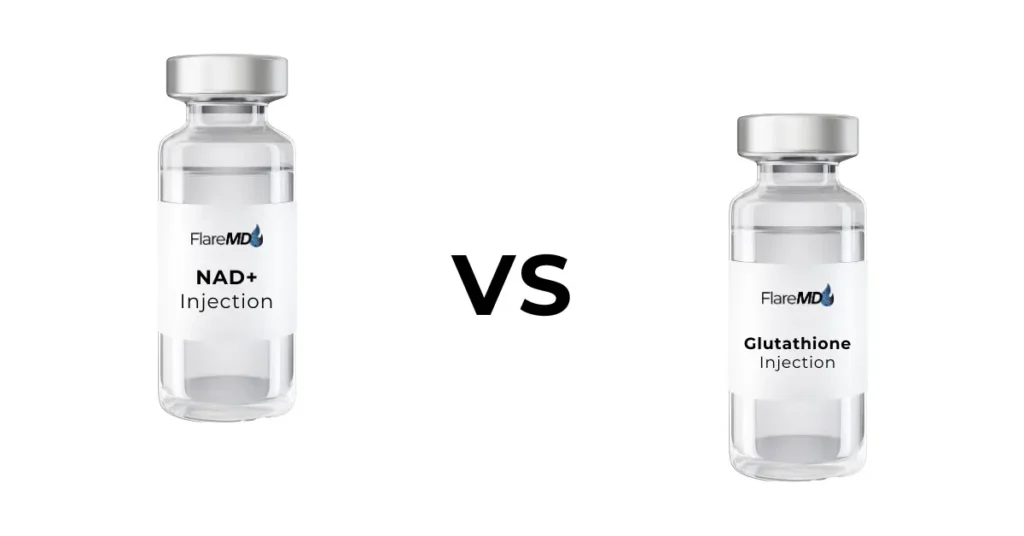
- NAD injections (or related NAD precursors via injection): handled under clinical guidance; different safety profile and risk management than oral options.
- Topicals (less common for true NAD delivery): usually marketed for skin support; ingredient specifics matter.
Ingredient patterns (quality depends on the exact blend):
- NAD precursor approaches: ingredients marketed to support NAD replenishment (commonly including precursors used in NAD pathway research).
- Supporting compounds: some formulas add methylation or antioxidant-related nutrients, aiming to broaden “wellness” coverage.
Quality standards and signals I look for as a consumer:
- Clear ingredient list with amounts per serving (not vague “proprietary blends”).
- Third-party testing (COA/lab results) for potency and contaminants.
- Good manufacturing practices (GMP) or similar compliance claims that are verifiable.
- Transparent return/refund policy—because tolerance and results vary.
- Reasonable dosing rather than “all-at-once” megadose marketing.
Product note (promotion direction): When evaluating a NAD-support product, I recommend choosing a brand that clearly states dosing, provides third-party verification, and doesn’t lean on exaggerated “anti-aging” promises. That’s where you’ll get the most consumer value—because a well-dosed, well-tested formula is more likely to be consistent than a mystery-blend.
Comparison of Common Options
Below is a realistic comparison of common NAD-related options people ask about. Costs vary by brand and serving size, so treat the numbers as “typical ranges” you’d see in the market.
| Format | Typical Dose/Use | Pros | Cons | Cost | Best For |
|---|---|---|---|---|---|
| Oral NAD booster (capsules/tablets) | Daily, often 1–2 servings; start low for 3–7 days | Convenient; usually easiest to try; lower barrier than injections | Slower or variable uptake; tolerance can still be an issue | $25–$60/month (typical) | Most beginners who want a cautious trial |
| Sublingual NAD booster (lozenges/drops) | Daily; sometimes split into morning/evening | Often marketed for faster absorption; convenient if you dislike swallowing pills | Still inconsistent between brands; can irritate mouth in some users | $40–$90/month (typical) | People who want easy administration and adjustable dosing |
| NAD injection / clinical NAD therapy | Schedule varies by clinician; not a DIY supplement trial | More controlled administration; may be appropriate for specific clinical goals | Higher safety complexity; requires medical oversight; cost can be much higher | $200–$800+ per session/month (typical) | Those under medical guidance (not general cosmetic use) |
| Oral “NAD precursor” alternatives (broader precursor support) | Daily; ingredient-specific dosing | Sometimes better tolerated; easier to find; can support related goals | Not all “precursors” equal; some formulas are stimulant-like | $20–$70/month (typical) | Men who didn’t tolerate one formula and want a different precursor profile |
| Skin-focused adjuncts (topicals with NAD-related claims) | Applied daily; actives vary widely | Direct skin-contact approach; can complement skincare routine | Often not the same as raising systemic NAD; results depend heavily on actives | $20–$120/month (typical) | Men who mainly want visible skin improvements alongside lifestyle changes |
Buying Framework and Red Flags
When you’re deciding whether a product is worth your money, treat it like you’re evaluating a supplement—not a miracle. Use this checklist before buying any NAD booster.
- Label clarity: Are the ingredient names and exact amounts listed per serving?
- Testing proof: Is there third-party testing (potency/contaminants) available?
- Blend transparency: Does it avoid proprietary blends that hide doses?
- Reasonable starting dose: Does the brand support starting low and increasing rather than megadosing on day one?
- Marketing realism: Does the product talk about supportive benefits instead of guaranteed “anti-aging” outcomes?
- Return policy: Is there a refund/return window in case you don’t tolerate it?
- Stimulant caution: If you’re sensitive to energy surges, check the formula for activating ingredients.
- Sleep impact: If it’s taken later in the day, do they advise morning use?
Red flags:
- “Before and after” photos with no dosing timeframe or controls.
- Vague claims like “turn back age” without explaining what ingredient dose and what evidence.
- No third-party testing, no COA, or only social proof.
- Very cheap prices that don’t match ingredient quality.
Common Mistakes and How to Avoid Them
- Starting at full dose immediately: This is how people end up with headaches, nausea, or sleep issues and then assume NAD “doesn’t work.” Start low for several days.
- Not tracking anything: If you want to know whether NAD makes you look younger, you need consistent photos, consistent lighting, and at least a couple weeks of observation.
- Changing everything at once: If you start a new skincare routine, change training, and sleep differently at the same time, you won’t know what caused the change.
- Expecting cosmetic reversal: Think “support and freshness,” not “reverse aging.” Visible changes depend on sun protection, hydration, and your overall lifestyle.
- Ignoring interactions: If you take other supplements or medications, check ingredients and consult a clinician when necessary.
FAQ
Is it proven that NAD can make you look younger?
There’s evidence NAD is involved in pathways related to energy and cellular function, but direct proof that NAD supplements reliably make people look younger is limited. Most support is indirect (how you feel, recover, and show less “tired” appearance), and product quality varies.
How long does it take for NAD to show any “younger-looking” effects?
For many people, if there’s a noticeable “look less tired” change, it may show within 2–4 weeks, often linked to sleep, energy, and recovery. If you’ve had no changes by a month—especially alongside consistent photos and routine—visible effects may be unlikely with that specific product.
What are the side effects of NAD boosters in men 25–34?
Commonly reported side effects include headache, nausea, jitteriness, or sleep disruption—especially if dosing is too high or taken too late. If side effects persist or worsen, stop and reassess.
Can NAD boosters combine with other supplements?
Often they can, but “can” depends on what you’re combining. The safer approach is to keep your routine stable at first. If you add NAD on top of other actives, introduce only one change at a time and watch for reactions. If you take medications or have conditions, consult a clinician for compatibility.
Oral NAD versus injection: which is better for a younger look?
“Better” depends on goals and medical oversight. Oral NAD boosters are generally what consumers mean when asking “can NAD make you look younger?” and are simpler to trial, but they can be variable in effect and tolerance. Injections involve higher safety complexity and should be clinician-guided; they are not the same thing as a general cosmetic experiment.
A Practical 2-Week Experiment Framework
If you want a consumer-style answer for your own face and energy, run a short, structured trial. The goal is to observe supportive changes—sleepiness, recovery, skin “rested” look—not to expect guaranteed reversal of aging.
Before you start (Day 0):
- Take standardized photos (same angle, lighting, and distance). Include one “morning” shot and one “evening” shot.
- Write your baseline: energy (1–10), workout recovery (how long soreness lasts), and any known sensitivities.
- Pick one NAD product and keep everything else the same.
Days 1–5 (low-dose ramp):
- Use the lowest label dose (or half-dose if that’s an option) and take it at a time that won’t harm sleep (often morning).
- Track side effects hourly during the first dose day: headache, nausea, unusual stimulation, stomach discomfort.
Days 6–14 (consistent routine):
- Return to the full recommended dose only if you tolerated day 1–5 well.
- Take photos on Day 7 and Day 14 in the same lighting conditions.
- Track recovery: note soreness duration and any changes in workout readiness.
- Stop the product immediately if you get persistent or worsening side effects (especially severe headaches or significant sleep disruption).
Decision rule: After 14 days, look for modest changes: “less tired face,” improved morning look, or better recovery markers. If you have none of those and you tolerate it poorly, a switch may be more valuable than continuing.
About the Author
Author: Mark Ellison, Senior Nutrition & Supplement Reviewer at Flare MD. Mark has spent 8+ years evaluating over-the-counter wellness products, focusing on ingredient transparency, third-party testing, and real-world tolerance. He regularly reviews supplement labels, tracks side effects, and writes consumer-style assessments that emphasize “what people typically notice” rather than exaggerated claims. This article is for informational purposes and reflects a cautious review approach—not medical advice.
Disclaimer: NAD boosters and related products are not intended to treat, cure, or guarantee results for any condition. Individual responses vary based on genetics, sleep, diet, training, and product quality. If you have any medical conditions or take medications, consult a qualified clinician before starting.
Discussion